ABOUT US

The FASA project prioritizes work in Nigerian, Zambian, and Kenyan regions that have high need and the potential for partnerships. The project has the primary goal of developing low-cost, highly nutritious fish feeds based on novel ingredients and enable 5,000 smallholder fish farmers in 3 African countries to test and adopt these ingredients and feeds, leading to increased income, improved food security, and reduce waste and pollution. Building off of a preliminary ingredients assessment in 2017-2018, the project aims to address the need for sustainable, equitable development of aquaculture in SSA, as well as the need for high-quality and local ingredients and fish feeds. The project seeks to address sustainability through the enhancement of local, sustainable ingredients and fish feeds through a circular economy approach. By recycling waste rather than discarding it, and removing ingredients from fish feeds that can be used in other contexts, this project has the ability to address improvements in human nutrition and food security without damage to the environment. Working with partner organizations, the project will research the nutrition requirements of improve strains of tilapia and African catfish. Based on feedback from lab analysis and stakeholder input, experimental fish feeds will be created for piloting. The knowledge obtained through this process will be synthesized into knowledge products and disseminated. It is expected that at least 6,000 end-users will benefit from the knowledge products and research created.

Period of Implementation

Jul 1, 2022 - Nov 30, 2028
Total Budget

USD 8,016,868.82

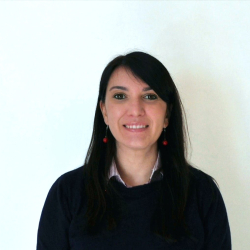
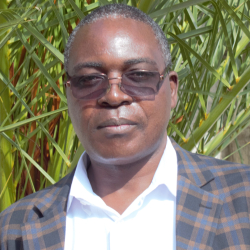
Project team

OUR IMPACT

Goals

This project has the following primary goal: to develop low-cost, highly nutritious fish feeds based on novel ingredients and enable 5,000 smallholder fish farmers in 3 African countries to test and adopt these ingredients and feeds, leading to increased income, improved food security, and reduced waste and pollution. WorldFish estimates that 30% of total fish farmers will be women and 40% will be youth.

Objectives

The project has 3 main expected outcomes: Outcome 1: Enhanced capacity of at least two stakeholder groups in each of the 3 target countries to integrate best practices toward a more sustainable feed sector, and to adopt new knowledge on nutrient requirements of multiple improved strains of tilapia and African catfish Outcome 2: Quality of at least 15 local ingredients has been improved through various processing techniques and the ingredients are used by stakeholders in the 3 target countries, including local millers and farmers, to produce 9 novel, cost-efficient feed formulations, to improve aquaculture productivity and resilience. Outcome 3: 5,000 farmers directly or indirectly linked to the project access, test, and use novel fish feeds and feed solutions using the knowledge and innovations developed by the project, with support of a range of strategic scaling partners and other stakeholders.

Problems and Needs Analysis

Like any other terrestrial farming activity, aquaculture relies on the provision and supply of nutrients. Many developing countries lack sufficient quality fish feed ingredients and depend on more expensive imported resources for commercial feeds which increases the costs of production. Studies have shown that feed costs are one of the main challenges facing aquaculture in low-income countries with feeds currently representing 40-70% of the variable production costs. The expected growth in aquaculture in the coming years will be accompanied by an increased demand for quality, affordable fish feeds, particularly by smallholder fish farmers seeking to improve their productivity. Currently available conventional fish feeds have a high environmental cost and are often inaccessible to many smallholder fish farmers because of their prohibitive prices and other constraints to access and use. This is particularly true for women and youth in the sector, who often have less income, fewer assets, and face greater barriers to accessing inputs. The scarcity, unsustainability, and high environmental and economic costs of feeds are recognised as main constraints for the expansion of smallholder production throughout Sub-Saharan Africa. In addition, multiple African countries promote the use of genetically improved tilapia and catfish species or implement genetic improvements on these fish species. Therefore, there is a need to develop further processing techniques to improve the quality of the local ingredients and use them to formulate balanced diets. As well, it is important to re-evaluate a range of nutrient requirements in these improved fish strains in Africa to update existing data/knowledge and enable correct diet formulations. The institutional and human capacity needed to conduct applied aquaculture experiments to estimate the nutrient requirements of improved strains is not yet available in many regions of Africa.

Intervention Strategy(ies)

Studies have shown that feed costs are one of the main challenges facing aquaculture in low-income countries with feeds currently representing 40-70% of the variable production costs. The proposed project will conduct in-depth scoping studies on available local ingredients that can be harnessed for the formulation of sufficiently nutritious but low-cost fish feeds. In addition, the project will generate data and knowledge on market, gender, and other social factors that may influence the adoption and scaling of novel feeds, as well as investigate climate change adaptation potential. WorldFish will work with partners to examine the nutrient requirements of various improved strains of tilapia and African catfish. Lab analyses and digestibility experiments of multiple samples of local ingredients and existing fish feeds will be conducted, the resultant data presented to stakeholders, and feedback obtained. Based on the feedback, local ingredients will be selected and improved, and experimental fish feeds will be formulated. The experimental feeds will be validated through on-farm pilots and workshops. Doctor of Philosophy (PhD) and master’s students will be involved in the formulation and validation ofnovel fish feeds to enhance fish feeds expertise that meets international standards, is relevant to the needs of African smallholder farmers, and can eventually be sustained from local resources.

Impact Pathway

All knowledge generated will be available on an online open access database. Printed manuals/booklets will be developed and disseminated. Knowledge will further be disseminated through policy briefs, training workshops, and mass media. WorldFish and its partners will explore barriers and bottlenecks for scaling and co-develop strategies for scale-up. Various organisations (such as farmer, development, etc.) will actively contribute to understanding scale-up needs and will be part of a strategic scale-up partnership. The use of feeds based on novel ingredients is expected to increase the productivity, profitability, and incomes from aquaculture; reduce income inequalities by uplifting incomes of smallholders; and reduce waste that would otherwise be generated from unexploited poultry and other livestock waste. Novel feeds thus reduce nutrient pollution in water bodies, lead to the creation of sustainable food systems for the production of highly nutritious food, and contribute to poverty reduction.

Note: if you need to move a link detach it and re-link it again

links budget to project output
links output to another output
links output to research outcome
links outcome to SDG
links research outcome to development outcome
links research or development outcome to IDO
links output to development outcome
links SDG to target
Zoom

Development and Scaling of Sustainable Feeds for Resilient Aquatic Food Systems in Sub-Saharan Africa (FASA): Annual Workshop Report 2025

Author(s): Nurulhuda Ahmad Fatan | Ning Shahira Sharbini | Matthew Owen

Date: 2026-04-30 | Type: Report - Sub-type(s): Course Program / Agenda, Annual progress

Turning Feed Research into Affordable Access for Farmers

Author(s): Mary Lundeba | Gregory Kasanga

Date: 2026-03-19 | Type: Blog

Inclusive Aquaculture Is More Productive Aquaculture

Author(s): Mary Lundeba | Gregory Kasanga

Date: 2026-03-10 | Type: Blog

The Quest for Functional Ingredients for Sustainable Aquaculture Feeds in Sub-Saharan Africa

Author(s): Arnold Ebuka Irabor | Arnold Ebuka Irabor | Rodrigue Yossa | Nurulhuda Ahmad Fatan | Matthew Owen | Parisa Norouzitallab | Kartik BARUAH

Date: 2026-01-30 | Type: Journal Article

Characterization of the practices and utilization of fish feed ingredients among fish farmers in Kenya

Author(s): Timothy Manyise | Nurulhuda Ahmad Fatan | Matthew Owen | Menaga Meenakshisundaram | Alex Rutto

Date: 2025-12-31 | Type: Dataset - Sub-type(s): Survey Data

Baseline characterization of the practices and utilization of feed ingredients among processors/millers in Kenya

Author(s): Timothy Manyise | Nurulhuda Ahmad Fatan | Matthew Owen | Menaga Meenakshisundaram | Alex Rutto

Date: 2025-12-31 | Type: Dataset - Sub-type(s): Survey Data

Survey of Fish Feed Millers and Fish Farmers for Sustainable Aquaculture in Sub-Saharan Africa: A Case Study of Nigeria

Author(s): Caroline Ireti Ayo-Olalusi | Lenient Mercy Onivie Ibiyo | charity Obetta | Niéyidouba Lamien | Rodrigue Yossa | Nurulhuda Ahmad Fatan

Date: 2025-11-18 | Type: Journal Article

Assessment of feed ingredients prices and production capacity from 2018–2022 in Nigeria

Author(s): Lenient Mercy Onivie Ibiyo | Caroline Ireti Ayo-Olalusi | charity Obetta | Niéyidouba Lamien | Rodrigue Yossa | Nurulhuda Ahmad Fatan

Date: 2025-09-30 | Type: Journal Article

Evaluation of Apparent Digestibility Coefficients of Locally Available Caterpillar and Fishmeal Sources From Zambia in GIFT Nile Tilapia (Oreochromis niloticus)

Author(s): Aaqillah Amr Binti Mohd Amran | Nurulhuda Ahmad Fatan | Muhammad Rahimi Ramli | Ning Shahira Sharbini | Matthew Owen | Rodrigue Yossa

Date: 2025-09-12 | Type: Journal Article

Report on the 2024 FASA annual workshop: November 11–15, 2024 Lusaka and Siavonga, Zambia

Author(s): Nurulhuda Ahmad Fatan | Matthew Owen

Date: 2025-04-01 | Type: Report - Sub-type(s): Other (Workshop Report)

Annual FASA monitoring survey: Baseline characterisation of the practices and use of local feed ingredients among fish farmers and ingredient processors in Zambia

Author(s): Timothy Manyise | Gregory Kasanga | Nurulhuda Ahmad Fatan | Patience Chungu | Albert Nsonga | Rodrigue Yossa | Cristiano Rossignoli

Date: 2024-12-31 | Type: Report - Sub-type(s): Internal Report

Development and Scaling of Sustainable Feeds for Resilient Aquatic Food Systems in Sub-Saharan Africa (FASA): Market assessment of fish production and feed in Zambia

Author(s): Murat Sartas | Patchimaporn Udomkun | Bruno Tran | Nurulhuda Ahmad Fatan | Rodrigue Yossa

Date: 2024-12-31 | Type: Report - Sub-type(s): Internal Report

Development and Scaling of Sustainable Feeds for Resilient Aquatic Food Systems in Sub-Saharan Africa (FASA): Report on a scoping study of fish feed ingredients in Kenya

Author(s): Paul Nyangau | Zewdu Abro | Menaga Meenakshisundaram | Menale Kassie | Sevgan Subramanian | Jonathan Munguti | Kevin Odhiambo Obiero | Domitila Kyule | Jimmy Mboya | Nurulhuda Ahmad Fatan | Rodrigue Yossa | Chrysantus M. Tanga

Date: 2024-12-31 | Type: Report - Sub-type(s): Internal Report

Annual FASA monitoring survey: Baseline characterization of the practices and use of fish feed ingredients among fish farmers and ingredient processors in Nigeria

Author(s): Timothy Manyise | Sunil Niranjan Siriwardena | Ajibola Abeni Olaniyi | charity Obetta | Bernadette Tosan Fregene | Nurulhuda Ahmad Fatan | Rodrigue Yossa | Cristiano Rossignoli

Date: 2024-12-18 | Type: Report - Sub-type(s): Outcome Impact Case Report

Development and Scaling of Sustainable Feeds for Resilient Aquatic Food Systems in Sub-Saharan Africa (FASA): Market assessment of fish production and feed in Kenya

Author(s): Murat Sartas | Patchimaporn Udomkun | Bruno Tran | Nurulhuda Ahmad Fatan | Rodrigue Yossa

Date: 2024-12-12 | Type: Report - Sub-type(s): Internal Report

Development and Scaling of Sustainable Feeds for Resilient Aquatic Food Systems in Sub-Saharan Africa (FASA): Market assessment of fish production and feed in Nigeria

Author(s): Murat Sartas | Patchimaporn Udomkun | Bruno Tran | Nurulhuda Ahmad Fatan | Rodrigue Yossa

Date: 2024-12-12 | Type: Report - Sub-type(s): Internal Report

Development and Scaling of Sustainable Feeds for Resilient Aquatic Food Systems in Sub-Saharan Africa (FASA): Ingredient and fish feed scoping report for Zambia

Author(s): Albert Nsonga | Gregory Kasanga | Patience Chungu | Arthertone Jere | Alexander M. Greiling | Nurulhuda Ahmad Fatan | Rodrigue Yossa | Matthew Owen

Date: 2024-12-12 | Type: Report - Sub-type(s): Internal Report

Development and Scaling of Sustainable Feeds for Resilient Aquatic Food Systems in Sub-Saharan Africa (FASA): Report on a scoping study of fish feed ingredients in Nigeria

Author(s): Caroline Ireti Ayo-Olalusi | Lenient Mercy Onivie Ibiyo | Abidemi Babatunde Jacob | charity Obetta | Niéyidouba Lamien | Rodrigue Yossa

Date: 2024-12-12 | Type: Report - Sub-type(s): Internal Report

Sustainability of Aqua Feeds in Africa: A Narrative Review

Author(s): Mzime Regina Ndebele-Murisa | Chipo Plaxedes Mubaya | Chipo Hazel Dekesa | Angela Samundengo | Fanuel Kapute | Rodrigue Yossa

Date: 2024-12-01 | Type: Journal Article

Profiling and Prioritizing Climate-Smart Aquaculture Technologies, Innovations, and Management Practices in Kenya

Author(s): Kevin Odhiambo Obiero | Erick Ogello | Jonathan Munguti | Jimmy Mboya | Domitila Kyule | Mary A Opiyo | Cecilia Githukia | Kevin Okoth Ouko | Elijah Kembenya | Jacob Abwao | Geraldine Matolla | Josiah Ani | Saitoti Sambu | Maureen Cheserek | Kiplangat Ngeno | Joel Khobondo | Menaga Meenakshisundaram | Chrysantus M. Tanga | Rodrigue Yossa

Date: 2024-10-10 | Type: Journal Article

Evaluating rational and healthy use options for small pelagic fish species in sub-Saharan Africa

Author(s): Stuart Bunting | Djiga Thiao | Molly Ahern | Yaw B Ansah | Ansen Ward | Joshua Wesana | Rodrigue Yossa | Lena Westlund

Date: 2024-10-01 | Type: Journal Article

Gender equality and social inclusion (GESI) assessment: Zambia, Nigeria and Kenya

Author(s): Sujata Ganguly | Kristie Drucza | Wanja Njiriri | Rodrigue Yossa

Date: 2024-08-27 | Type: Report - Sub-type(s): Internal Report

Development and Scaling of Sustainable Feeds for Resilient Aquatic Food Systems in Sub-Saharan Africa: Life Cycle Assessment

Author(s): Mzime Regina Ndebele-Murisa | Chipo Plaxedes Mubaya | Fanuel Kapute | Angela Samundengo | Rodrigue Yossa

Date: 2024-08-27 | Type: Report - Sub-type(s): Internal Report

Development and Scaling of Sustainable Feeds for Resilient Aquatic Food Systems in Sub-Saharan Africa (FASA): Annual project workshop report

Author(s): Nurulhuda Ahmad Fatan

Date: 2024-02-28 | Type: Report - Sub-type(s): Internal Report

Development and Scaling of Sustainable Feeds for Resilient Aquatic Food Systems in Sub-Saharan Africa: Gender and inclusive development action plan (GIDAP) outcome report

Author(s): Sujata Ganguly | Kristie Drucza | Wanja Njiriri | Rodrigue Yossa

Date: 2023-12-29 | Type: Report - Sub-type(s): Outcome Impact Case Report

Development and Scaling of Sustainable Feeds for Resilient Aquatic Food Systems in Sub-Saharan Africa: Climate change and environmental analysis

Author(s): Chipo Plaxedes Mubaya | Mzime Regina Ndebele-Murisa | Fanuel Kapute | Angela Samundengo | Rodrigue Yossa

Date: 2023-12-05 | Type: Report - Sub-type(s): Internal Report

Utilization of Black Soldier Fly (Hermetia illucens) Larvae as a Potential Substitute for Fish Meal in the Production of Nile Tilapia (Oreochromis niloticus L.)

Author(s): Jonathan Munguti | Francis Wekesa | Isaac Osuga | Mercy Kariuki | Rodrigue Yossa | Daniel Mungai | Domitila Kyule | Jacob Abwao | Mary A Opiyo | Kevin Odhiambo Obiero | Nicholas O. Outa | Erick Ogello | Jacob Iteba | James G Kirimi | Maundu Anne | Liti David | Chrysantus M. Tanga

Date: 2023-11-21 | Type: Journal Article

Development and Scaling of Sustainable Feeds for Resilient Aquatic Food Systems in Sub-Saharan Africa: A systems theory of change

Author(s): Timothy Manyise | Daniel Kangogo | Evans Mutanuka | Festus Adeosun | Elizabeth Ihiechi Akuwa | Chrysantus M. Tanga | Charity Obeta | Arthertone Jere | Sunil Niranjan Siriwardena | Rodrigue Yossa | Cristiano Rossignoli

Date: 2023-08-18 | Type: Report - Sub-type(s): Internal Report

WorldFish engages local partners to produce affordable feeds

Author(s): Nurulhuda Ahmad Fatan

Date: 2023-05-04 | Type: Blog

Engaging local partners to develop sustainable feeds in Zambia

Author(s): Agness Chileya

Date: 2023-05-02 | Type: Blog

In the Spotlight: Nurulhuda Ahmad Fatan

Author(s): Sean, Kuan Shern Lee

Date: 2023-03-06 | Type: Blog

Development and Scaling of Sustainable Feeds for Resilient Aquatic Food Systems in Sub-Saharan Africa (FASA) Annual Workshop Report

Author(s): Rodrigue Yossa

Date: 2023-02-10 | Type: Report - Sub-type(s): Course Program / Agenda, Evaluation

Monitoring, Evaluation and Learning (MEL) Plan: Development and Scaling of Sustainable Feeds for Resilient Aquatic Food Systems in Africa (FASA) project 2022-2027

Author(s): Megi Cullhaj | Valentina Ceccarelli | Lauren Burcham | Syed Aman Ali | Saadiah binti Ghazali | Timothy Manyise | Rodrigue Yossa | Rodolfo Dam Lam

Date: 2022-11-28 | Type: Manual

NEWS & EVENTS