ABOUT US
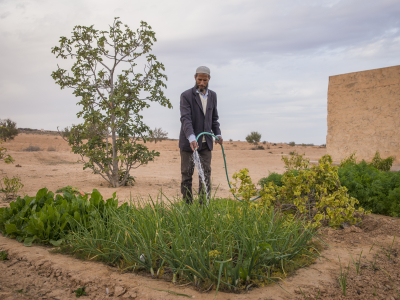
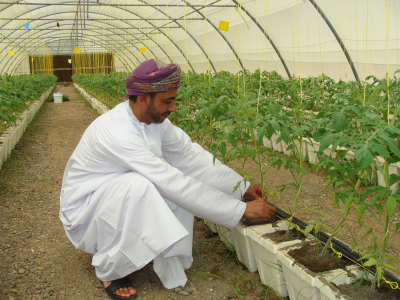
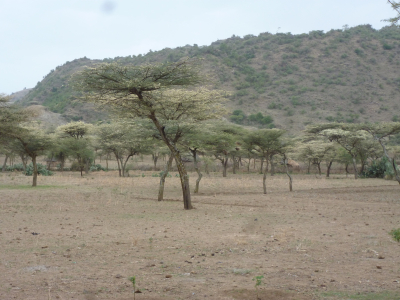
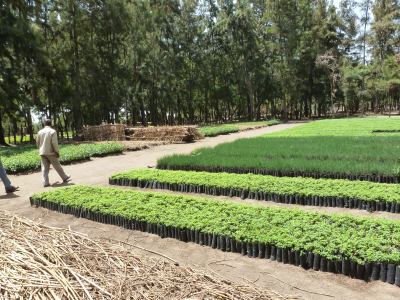
Desertification and freshwater availability have become the most limiting factors for agricultural production in the Mediterranean basin. Thus, there is an urgent need to introduce crop species that are more tolerant to water shortages able to grow in marginal lands subjected to desertification. These neglected and underutilized species (NUS) having adapted to arid climates, show greater resilience to adverse conditions compared to major crops and have the potential to induce a positive shift in the soil water balance and carbon storage. NUS could represent a valid alternative for farmers, in particular small holders to produce economic value converting marginal or low productivity soils to productive ones. The overarching goal of VENUS is to demonstrate the environmental and economic potential of introducing low water demanding NUS adapted to grow in dry conditions, often in combination with other limiting factors like high salinity and reduced nutrient inputs. The five specific objectives of VENUS are: 1) Provide knowledge-based evidence of environmental and economic benefits of NUS cultivation in already existing demonstration sites; 2) Set up of 11 demonstration sites in different Mediterranean countries (Greece, Italy, Jordan, Morocco, Tunisia, Egypt, Algeria) already affected and/or forecasted to be increasingly affected by land degradation; 3) Transfer additional knowledge on how to exploit NUS crops at best, assisting farmers in entering Living Labs and markets to promote their products and/or to explore new types of exploitation of their products; 4) Assess the environmental, social and economic scalability of the NUS cultivation at country scale; 5) Raise awareness among farmers, public authorities and food industries of the benefits derived by the introduction of NUS crops. VENUS will demonstrate the environmental potential (Goal 1) of introducing 10 NUS (Opuntia ficus indica; Crithmum maritimum; Salicornia europea; Salsola Soda, Atriplex, Suaeda, Beta Maritima, Anchusa strigosa, Echium judaeum and Borago officinalis) for






.png)