ABOUT US
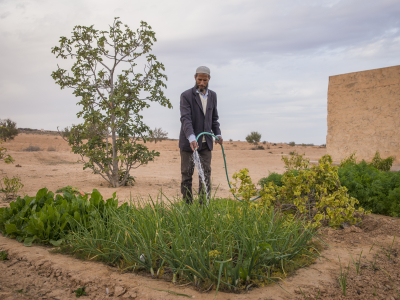
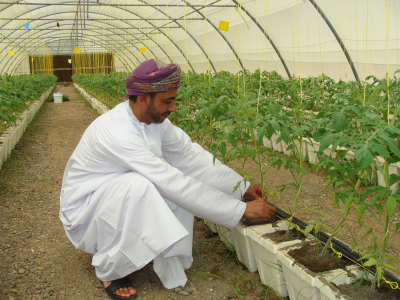
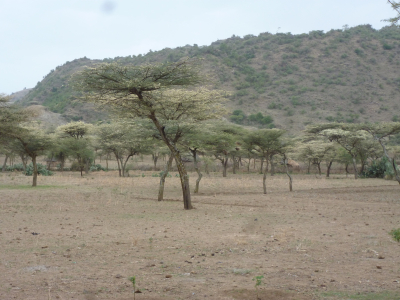
In a scenario of climate change-associated extreme events, temperature rising, changes in rainfall patterns, and an increasing demand for water, food and energy, Mediterranean countries face various common challenges. These challenges could affect food security, nutrition and livelihoods, triggering migration and increasing risks and vulnerability in a region with limited adaptive capacity. The Mediterranean region, one of the most responsive regions to climate change, hosts exceptional ecological diversity and socio-cultural richness originating from three continents. The multiple interacting climate hazards and anthropogenic drivers of change in such a vulnerable hotspot require specific adaptation and mitigation measures that support populations at higher risk of exposure. Moreover, adaptation and mitigation plans need to tackle the trade-offs and synergies among the management programs of the different Water-Energy-Food-Ecosystems (WEFE) sectors to promote multifunctional and resilient landscapes on the path to a Green Economy and Sustainable Development. In this sense, there is a need for cooperating and establishing cross-sectoral management plans and policies to address climate challenges across Mediterranean countries, since all face significant risks due to climate change. In this context, the WEFE-Nexus Socioecological Modelling Tool (WEFE-SEM Tool) proposed by the RES-MAB project aims to simultaneously address current global challenges bringing together different actors within the WEFE Nexus – policymakers, public authorities, private sector, farmers, local communities and other end-users – to negotiate conservation and development trade-offs, and promote circularity in the management, use, and development of resources. The WEFE-SEM Tool will provide a framework for addressing the increasingly complex and widespread social, environmental and political drivers of change that typically transcend traditional management boundaries. Following this multisectoral landscape approach, the RES-MAB project will co-deploy WEFE Nexus-based adaptation and mitigation solutions (WEFE Nexus solutions) in seven Biosphere Reserves (BR) that act as large demonstration sites (in Spain, France, Lebanon, Morocco, Jordan, Italy, and Slovenia) belonging to