ABOUT US
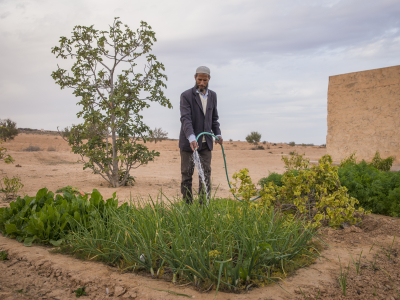
The AI4Water project applies Artificial Intelligence (AI) optimization and prediction techniques to enhance water management in four Mediterranean coastal regions: Ras Jebel (Tunisia), Constantinois & Seybouse basins (Algeria), Capitanata district (Italy), and the Nile Delta (Egypt). These areas face common challenges such as water scarcity, pollution, soil salinization, and saltwater intrusion (SWI). The project aims to characterize water resources and demands, focusing on both irrigation and domestic needs under stress conditions. Using machine learning and hydrologic models, it will predict key variables like salinity, pollution levels, groundwater availability, and water demand trends. AI methods—including Reinforcement Learning, and AI planning techniques—will generate optimized, adaptive water management strategies tailored to each site’s unique conditions. A core innovation is the shift from traditional top-down regulation to a more inclusive, bottom-up approach. Stakeholders, including farmers, water users, and local authorities, will be actively involved from the design to the scenario validation phase. Their input will shape Decision Support Systems (DSS) that are not only technically sound but also socially and regionally grounded. The AI optimization techniques developed represent a first step towards a more complex planning formalization, considering various factors such as temporal and causal relations among the actions of different agents, including multi-source operators. Effective planning in smart water management decisions is crucial to preempt costly remedial actions in critical situations. Comprehensive plans allow stakeholders to anticipate and mitigate potential challenges, minimizing the effects of extreme adverse events related to water scarcity or contamination. Proactive measures ensure efficient allocation and utilization of water resources, averting the need for expensive emergency interventions. Prioritizing planning in water management strategies ensures resilience and promotes long-term sustainability and resilience in the face of evolving environmental conditions.